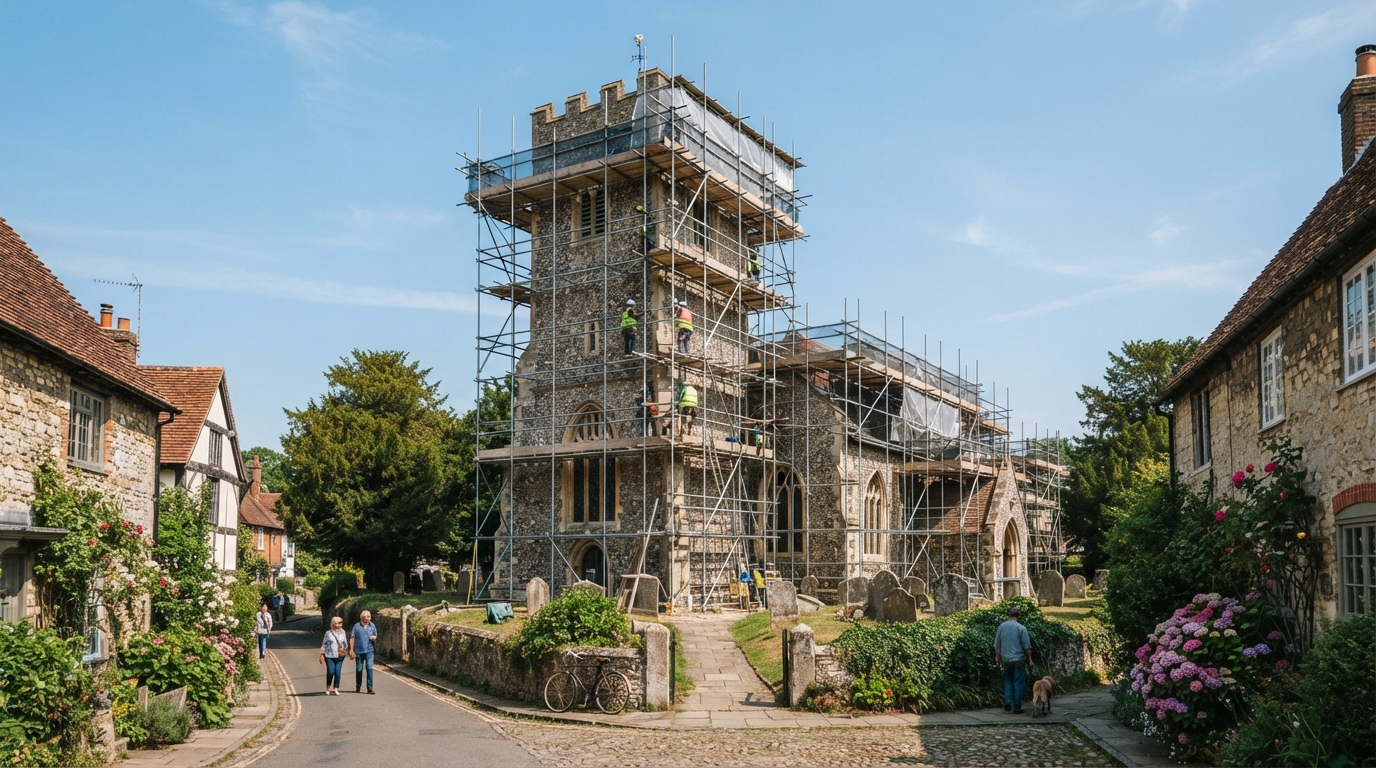
A field study of 113 scaffolds found that 31.9% were either in danger of collapse or missing critical planking, guardrails, or adequate access, a figure that should stop any facilities manager in their tracks. This Ultimate Guide to Commercial Scaffolding Safety for Public Buildings exists because that statistic isn’t rare, it’s typical, and public buildings carry a duty of care that goes well beyond a standard commercial site.
Key Takeaways
- Public access changes everything. Scaffolds around libraries, schools, town halls, and hospitals must protect passers-by, not just trades on the platform.
- Load design matters. Overhead protection canopies in busy areas are typically designed to a 150 psf load rating, far above domestic requirements.
- Most accidents are preventable. Equipment failure, improper assembly, and slipping/tripping account for the majority of incidents.
- CITB-certified operatives are non-negotiable for any commercial scaffolding hire project involving public footfall.
- Inspection regimes need to be scheduled, not occasional. Weekly checks catch degradation before it becomes a hazard.
- Heritage and listed public buildings require scaffolding solutions that protect the structure as carefully as they protect the public.
- Minimising business interruption is possible with the right access planning, even on sites that must stay open throughout the works.
What This Ultimate Guide to Commercial Scaffolding Safety for Public Buildings Actually Covers
Public buildings are different. A school, a council office, or a hospital sees hundreds of people walk past scaffolding every single day, many of them children, elderly residents, or people with mobility needs.
This guide walks through the standards, the load calculations, the common failure points, and the practical steps that keep a public-facing site safe from first lift to final strike. We’ve drawn on our own experience delivering commercial scaffolding solutions across Kent, alongside recognised industry data on where things go wrong.
Why Public Buildings Need a Different Approach to Scaffold Safety
Domestic scaffolding protects the homeowner and the trades on site. Commercial scaffolding safety for public buildings has to protect an unpredictable stream of pedestrians who have no idea what’s happening above their heads.
That means fully boarded platforms, debris netting, covered walkways, and signage that actually gets read. It also means a scaffold design that accounts for higher footfall loads and, in many town centre locations, vehicle movement directly beneath the structure.
We’ve delivered this kind of access across Maidstone, Medway, and the wider Kent area, and the brief is always the same: keep the public safe without slowing the project down.

Core Standards Behind Commercial Scaffolding Safety for Public Buildings
OSHA requires that a scaffold be able to support its own weight plus at least four times the intended load of workers and materials, a margin built in precisely because public sites carry more variables than a quiet residential job.
Public access scaffolds, including replacement stairs and ramps, are often designed to support 100 psf under code-required loading. That’s a meaningful difference from a standard access tower, and it’s why design sign-off matters as much as the build itself.
- Guardrails and toe boards on every open edge
- Independently tied scaffolds on multi-storey public buildings
- Debris netting or fans over any public walkway
- Clearly marked, well-lit pedestrian diversions
- Documented handover certificates before any trade steps on the platform
Public Access and Protection: Load Ratings You Need to Know
Overhead protection canopies used in busy city centres are typically designed to a load rating of 150 psf, a figure that reflects the reality of falling tools, debris, or materials above a footpath full of members of the public.
Getting these numbers wrong isn’t a paperwork issue, it’s the difference between a scaffold that holds and one that doesn’t. Our teams on Dartford commercial projects always confirm design loads before erection begins, not as an afterthought.
Common Causes of Scaffolding Accidents on Public Sites
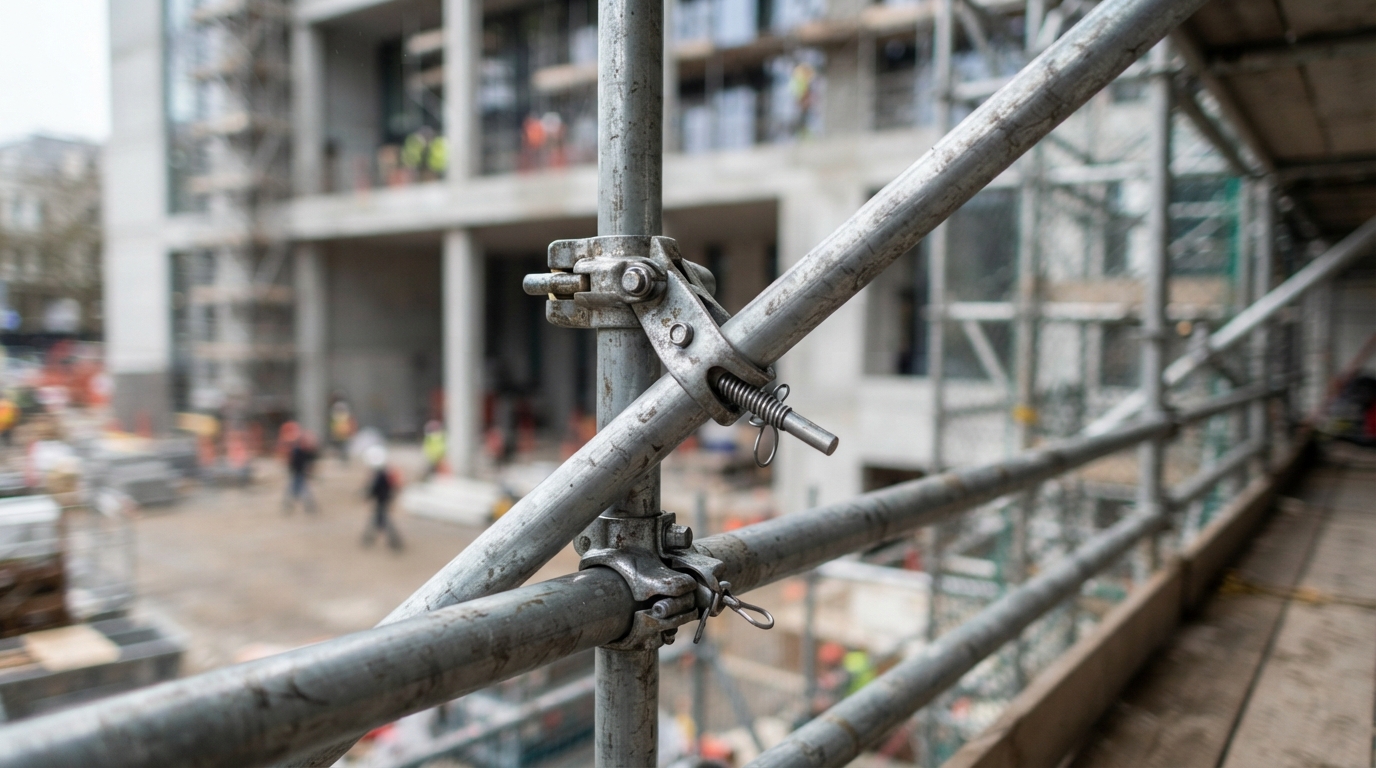
Scaffolding accidents cause serious injuries and deaths on construction sites every year, yet most of these incidents are preventable. The majority happen because of simple mistakes during planning, assembly, loading, and maintenance that workers can easily avoid with proper knowledge and attention to safety protocols.
Industry data shows equipment failure or improper assembly, slipping and tripping, and falling objects together account for the bulk of scaffolding accidents. Falls from scaffolding remain a leading cause of fatal falls from working surfaces across the construction industry.
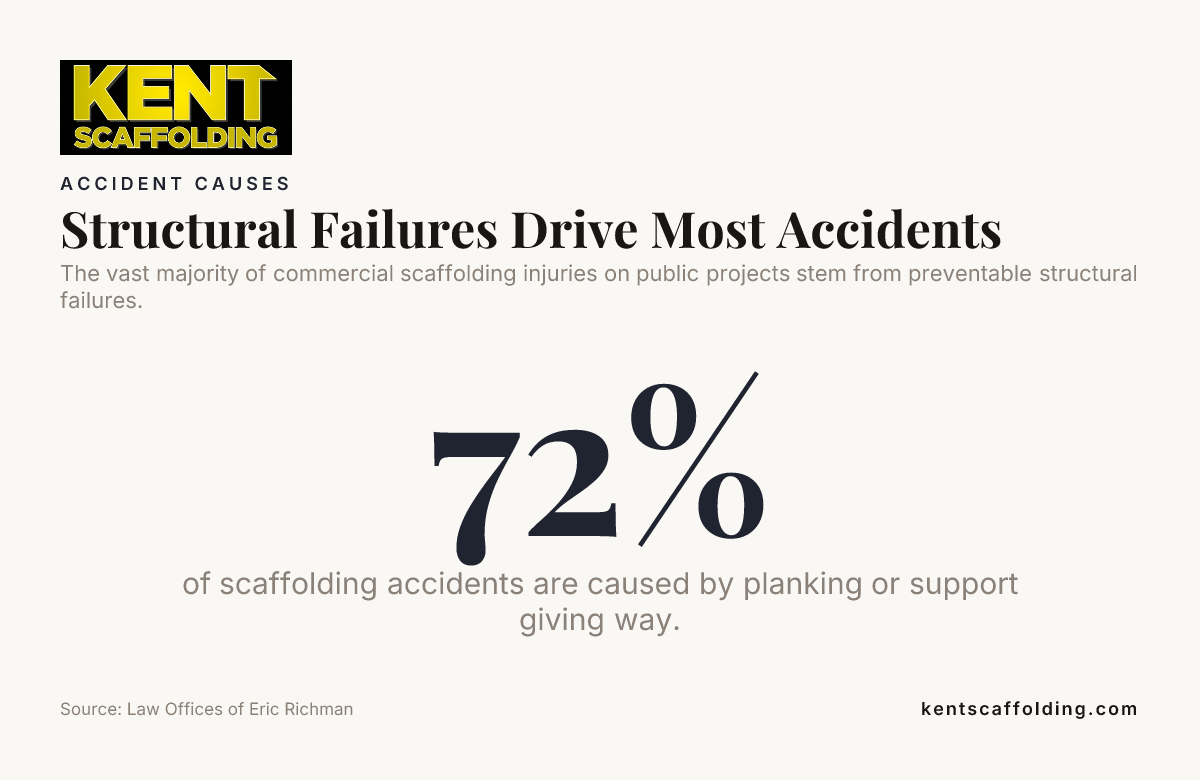 The vast majority of commercial scaffolding injuries on public projects stem from preventable structural failures.
On sites in Gravesham and similar high-footfall locations, we build in guardrails and edge protection as standard, not as an optional extra billed separately.
Choosing a Reputable Scaffolding Partner for Public Building Projects
For a reputable scaffolding firm and temporary roofing expert in Kent with a 100% safety record, look no further than a team that treats every property, and every member of the public walking past it, with the utmost care.
Ask any prospective contractor these questions before you sign off a public building project:
- Are your operatives CITB-certified and independently inspected?
- Can you provide a documented handover certificate for every lift?
- What system scaffolds do you use for high-traffic areas?
- How do you handle shoring & propping on structurally sensitive buildings?
- What’s your track record on public sites specifically, not just domestic jobs?
Established since 2016, we are one of the most experienced scaffolding companies in Kent, and we’re knowledgeable in all aspects of scaffolding hire for public and commercial buildings alike.
Inspection, Maintenance, and Ongoing Compliance
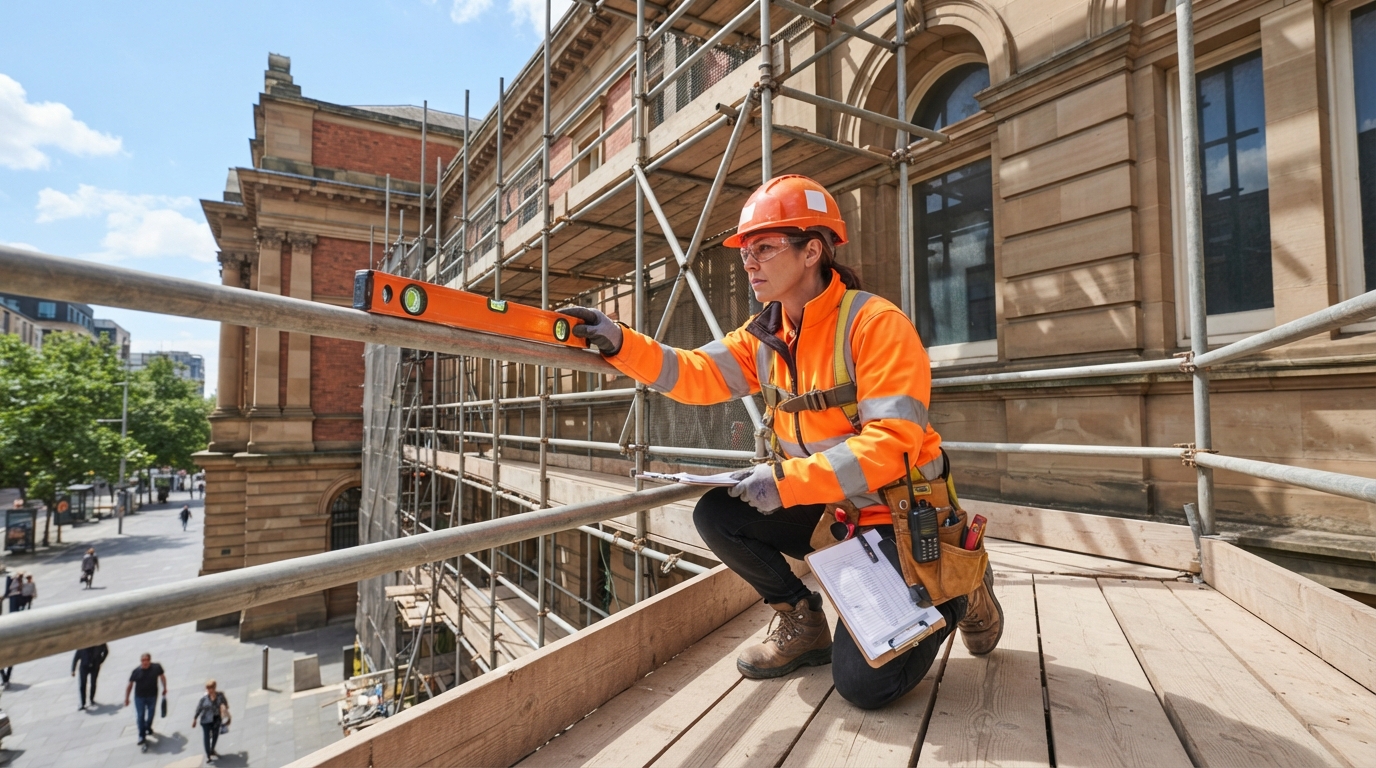
A scaffold that passed inspection on day one isn’t automatically safe on day thirty. Weather, footfall, and general wear all degrade a structure over time, which is exactly why routine inspection regimes matter more on public buildings than almost anywhere else.
That statistic alone explains why we schedule and log every inspection on our Sittingbourne commercial projects rather than leaving checks to chance. A missed inspection isn’t a minor paperwork gap, it’s a direct line to a catastrophic outcome.
Regular inspection regimes ensure ongoing safety and compliance throughout the life of the project, not just at handover.
Minimising Business Interruption During Public Building Works
Public buildings rarely have the luxury of closing for months at a time. Libraries need to stay open, schools need to keep teaching, and council offices need to keep serving residents.
We understand you must continue to trade and therefore we resolve all access requirements to minimise any business interruption. That includes phased scaffolding, dedicated pedestrian corridors, and out-of-hours erection where the site demands it.
Our teams on Cranbrook projects have delivered exactly this kind of staged access, keeping public buildings operational while the scaffold does its job around them.
Heritage Sites and Listed Public Buildings: Extra Care Needed
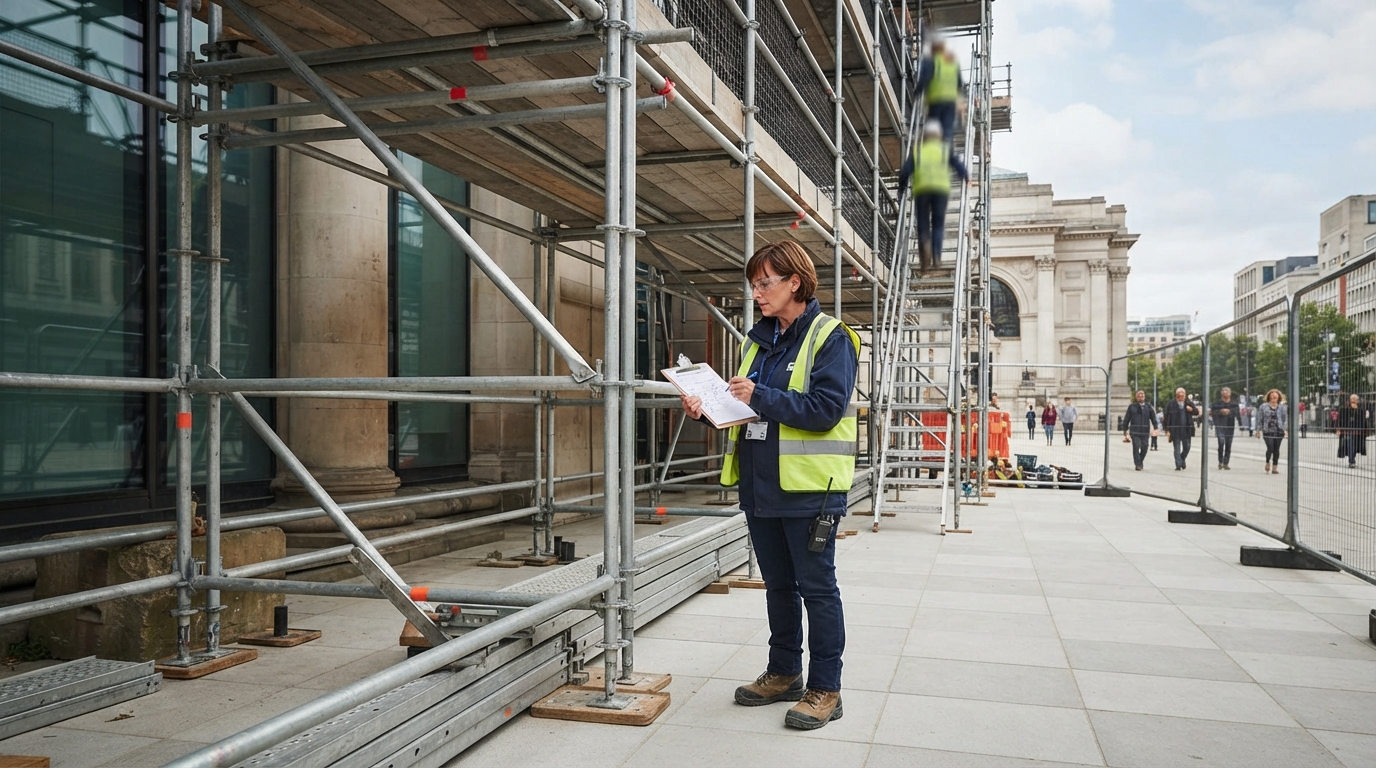
Many public buildings across Kent, town halls, churches, and civic centres among them, carry listed status or heritage protection. That changes the entire approach to fixing, tying, and loading a scaffold.
We are trusted to work on all heritage sites, using fixing methods that protect historic fabric while still meeting the same rigorous safety standards demanded of any commercial project. Our Canterbury team, in particular, has extensive experience balancing conservation requirements with public safety obligations.
| Building Type | Key Safety Priority | Typical Scaffold Type |
|---|---|---|
| School or nursery | Segregated pedestrian access, high guardrails | System scaffolds with debris netting |
| Hospital or clinic | Noise and dust control, 24/7 access continuity | Temporary roof scaffolds |
| Listed town hall | Fixing methods that protect historic fabric | Independently tied heritage scaffolds |
| Council office | Minimal disruption to daily operations | Phased access scaffolds |
| Shopping precinct | Overhead protection for pedestrians | Canopy-rated commercial scaffolds |
Keep Everyone Safe
This Ultimate Guide to Commercial Scaffolding Safety for Public Buildings comes down to one principle: the public didn’t sign up for the risk your project creates, so the scaffold has to absorb it. Getting the load ratings right, inspecting on a strict schedule, and choosing a reputable, CITB-certified contractor are the fundamentals that keep everyone safe.
Whether you’re managing a project in Maidstone, Medway, West Malling, or anywhere across Kent, we’re happy to provide a no-obligation quotation and talk through exactly how we’d approach your public building safely and with minimal disruption.
Frequently Asked Questions
What makes commercial scaffolding safety for public buildings different from domestic scaffolding?
Public buildings require protection for uncontrolled pedestrian traffic, meaning higher load ratings, debris netting, and covered walkways that domestic jobs simply don’t need. Commercial scaffolding safety for public buildings also demands documented inspection regimes and CITB-certified operatives throughout the project.
Is investing in proper commercial scaffolding safety for public buildings worth the extra cost?
Yes, given that a large share of field-inspected scaffolds are found missing guardrails, planking, or adequate access, the cost of getting it right is far lower than the cost of an accident. Proper commercial scaffolding safety for public buildings protects both the public and the contractor from catastrophic liability.
How often should scaffolding on a public building be inspected?
Weekly inspections are standard practice, with additional checks after severe weather, and every inspection should be documented and signed off. This is a core part of any credible approach to commercial scaffolding safety for public buildings.
What load rating should overhead protection canopies meet on public sites?
Overhead protection canopies used in busy areas are typically designed to a 150 psf load rating to guard against falling tools and debris. This figure sits at the heart of commercial scaffolding safety for public buildings in town centre locations.
Can scaffolding be erected on a public building without closing it to visitors?
In most cases, yes, phased access, dedicated pedestrian corridors, and out-of-hours erection allow public buildings to stay operational throughout the works. Minimising business interruption is a standard part of commercial scaffolding safety for public buildings.
What qualifications should a scaffolding contractor have for public building work?
Look for CITB-certified operatives, full public liability insurance, and a documented track record of commercial and heritage site work. These credentials are non-negotiable when it comes to commercial scaffolding safety for public buildings.
What are the most common causes of scaffolding accidents on public sites?
Equipment failure or improper assembly, slipping and tripping, and falling objects together account for the majority of scaffolding accidents. Addressing these three causes directly is the fastest way to improve commercial scaffolding safety for public buildings.
Need Professional Scaffolding for Your Project?
Contact us now: