
Health & Safety First: Meeting UK Regulations with Professional Scaffolding Hire for Construction Projects
Construction sites across the UK must follow strict rules to keep workers safe when using scaffolding. Professional scaffolding hire is the most reliable way to meet UK health and safety regulations, including the Work at Height Regulations 2005 and the Construction (Design and Management) Regulations 2015. These laws require proper planning, safe installation, regular inspections, and trained workers.

When you hire professional scaffolding services, you get more than just equipment. You receive expert support that helps you stay compliant with current regulations whilst protecting your workers and the public. The scaffolding industry has updated its guidance for 2025 to include better safety measures and new working practices.
Understanding your legal duties and how to meet them can seem complex. This guide breaks down the key regulations you need to know, explains why professional hire makes compliance easier, and shows you the safety measures that keep your site legal and secure.
Understanding UK Health and Safety Regulations for Scaffolding
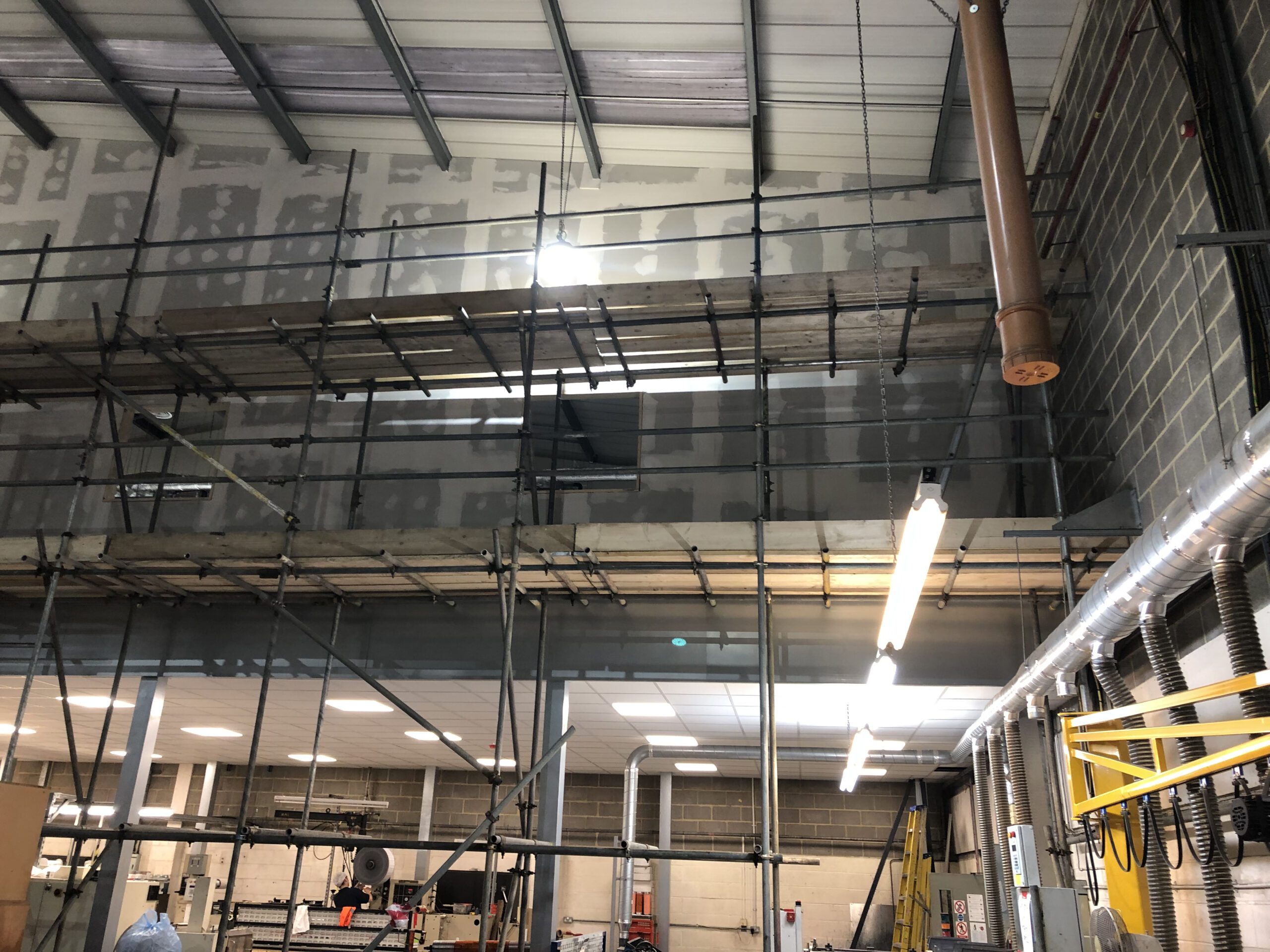
UK scaffolding work is governed by several key pieces of legislation that establish clear responsibilities for planning, installation, and maintenance. These regulations work alongside industry standards from organisations like NASC and require regular inspections to protect workers and the public from the risks of working at height.
Key Legislation: Work at Height Regulations 2005, Health and Safety at Work Act 1974, and CDM Regulations 2015
The Work at Height Regulations 2005 form the primary legal framework for scaffolding operations in the UK. These regulations require you to plan all work at height properly, ensure those doing the work are competent, and assess risks before starting any project. Falls from height account for 40% of construction fatalities, making these regulations essential for site safety.
The Health and Safety at Work Act 1974 places a general duty on you to ensure the health, safety, and welfare of your workers and anyone affected by your work activities. This includes maintaining safe scaffolding structures and providing adequate information, instruction, and training to your team.
The Construction (Design and Management) Regulations 2015 (CDM Regulations 2015) add specific requirements for construction projects. Under the CDM Regulations, you must appoint competent contractors, ensure proper planning and management of construction work, and maintain health and safety throughout the project lifecycle. These regulations also mandate that scaffolding must be inspected before first use, after any alterations, after adverse weather conditions, and at least every seven days during use.
PUWER 1998 (Provision and Use of Work Equipment Regulations) applies to scaffolding as work equipment. You must ensure all scaffolding equipment is suitable for its intended use, properly maintained, and inspected at appropriate intervals.
Regulatory Authorities: HSE, NASC, and Local Authority Roles
The Health and Safety Executive (HSE) is the primary enforcement body for scaffolding regulations in the UK. HSE inspectors can visit your site without notice to check compliance, issue improvement or prohibition notices, and prosecute serious breaches of health and safety law.
The National Access and Scaffolding Confederation (NASC) is the recognised trade body for the scaffolding industry. While NASC is not a statutory regulator, it provides industry guidance including the widely adopted TG20:21 technical guidance document. NASC TG20:21 offers detailed specifications for scaffold design and configuration that meet regulatory requirements and British Standard BS EN 12811.
Local authorities play a key role when scaffolding impacts public spaces. Under the Highways Act 1980, you must obtain a licence from your local authority if your scaffold encroaches on a public highway or pavement. Local authorities also handle complaints about scaffolding and can enforce safety requirements within their jurisdiction.
Recent Regulatory Updates and Guidance
The UK introduced updated scaffolding regulations and guidance for 2025 to enhance site safety and streamline compliance processes. These updates incorporate technological innovations and reflect evolving industry practices while maintaining the core legislative framework.
The new guidance emphasises the importance of regular toolbox talks and job-specific pre-start briefings to keep scaffold operatives informed about current safety practices. You must ensure your team receives competent person training to identify hazards, understand proper safety procedures, and minimise risks to workers and the public.
Scaffolding competent person training has become more critical under the updated guidance. This training ensures all scaffolding work meets current regulations and that your workers can properly assess scaffold safety before use.
Why Professional Scaffolding Hire is Essential for Compliance

Professional scaffolding hire ensures trained experts handle every aspect of installation, inspection, and management according to UK law. Working with qualified scaffold contractors protects you from legal penalties while keeping your site safe.
Competency and CISRS Accreditation
CISRS (Construction Industry Scaffolders Record Scheme) sets the standard for scaffolder competency in the UK. Every person working on your scaffolding must hold a valid CISRS card that proves their training and qualifications.
CISRS-qualified scaffolders complete rigorous training programmes that cover scaffold design, erection, alteration, and dismantling. A trainee scaffolder works under supervision whilst learning the trade, but they still need proper registration. Trainee scaffolders cannot work alone on complex structures.
Professional scaffolding companies only employ workers with current CISRS cards. These cards show the scaffolder’s level of competence and training status. The colour and type of card indicates whether someone is a trainee, advanced scaffolder, or supervisor.
You cannot legally use unqualified workers to erect scaffolding. The Work at Height Regulations 2005 specifically require competent persons for all scaffolding work.
Roles and Responsibilities: Clients, Contractors, and Scaffolders
You have legal duties as a client, even when you hire professional scaffolding contractors. You must ensure the scaffold contractor you choose is competent and properly insured.
Client responsibilities:
- Provide accurate site information and identify hazards
- Allow adequate time for safe erection and dismantling
- Ensure only authorised persons access the scaffolding
- Report any damage or concerns immediately
Scaffold contractor responsibilities:
- Design scaffolding appropriate for the intended use
- Erect structures that meet scaffolding safety compliance standards
- Conduct inspections every seven days and after adverse weather
- Provide handover certificates and inspection records
Scaffolder responsibilities:
- Follow scaffold safety rules at all times
- Use correct materials and techniques
- Report defects or unsafe conditions
- Maintain their CISRS card and competency
All parties share responsibility for scaffolding health and safety. Clear communication between you, your contractors, and scaffolding companies prevents accidents and ensures compliance.
Implications of Non-Compliance
Non-compliance with scaffolding regulations carries serious consequences. The Health and Safety Executive (HSE) can issue improvement notices, prohibition notices, or prosecute you and your contractors.
Financial penalties for scaffolding safety failures range from thousands to millions of pounds. Companies face unlimited fines in serious cases. Directors can receive prison sentences if their negligence causes death or serious injury.
Your insurance may not cover accidents involving non-compliant scaffolding. This leaves you personally liable for compensation claims from injured workers or members of the public.
Beyond legal penalties, scaffolding failures damage your reputation and ability to secure future contracts. Clients and contractors check HSE enforcement records before awarding work. One serious incident can end a business.
Professional scaffolding hire removes these risks. Qualified scaffolding contractors maintain proper documentation, conduct required inspections, and follow all regulations that keep you compliant.
Core Elements of Scaffolding Safety
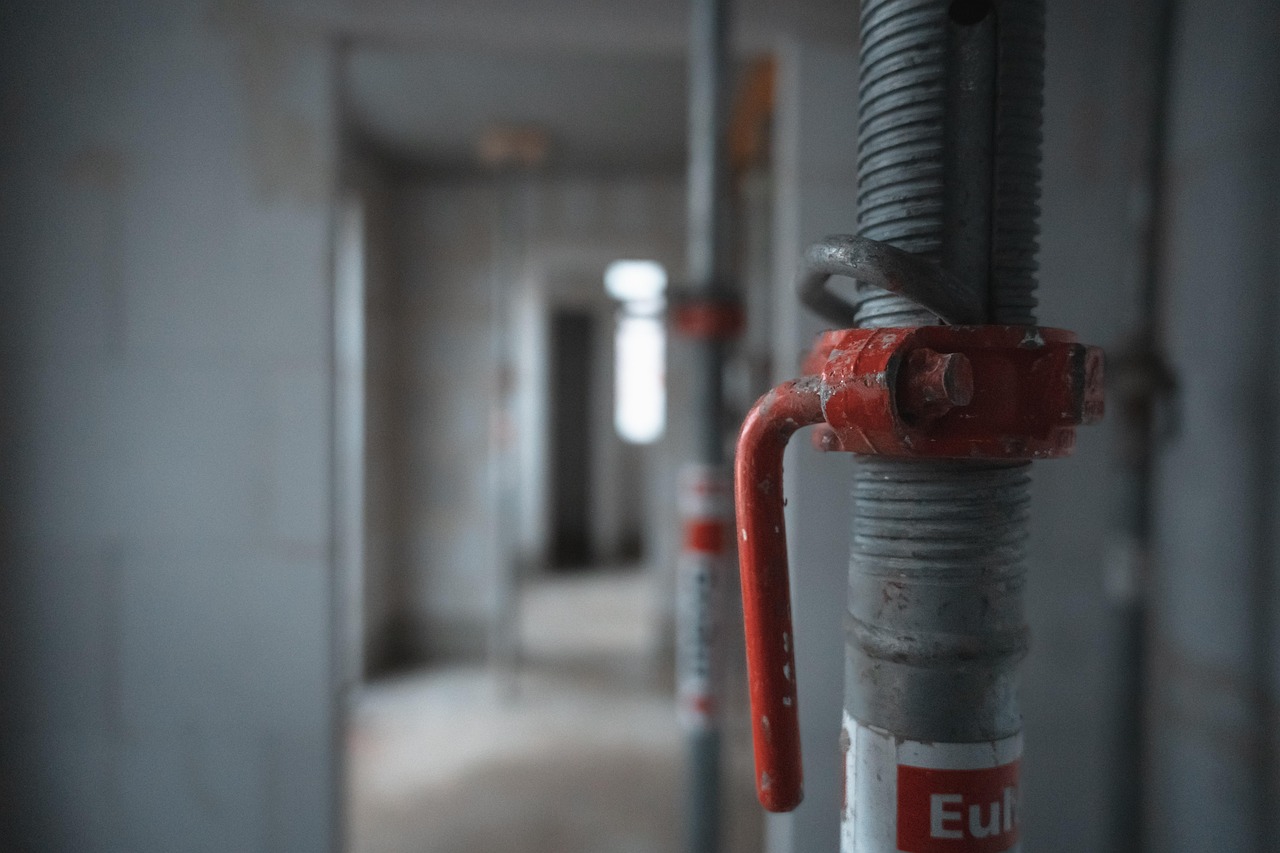
Scaffolding safety relies on three fundamental pillars: proper design with clear load limits, thorough planning through risk assessments and method statements, and robust structural stability anchored by adequate ties and foundations.
Scaffold Design and Load Capacity
Your scaffold design must specify exact load capacities for each working platform. Every structure needs clear duty ratings that indicate maximum weights, typically ranging from light duty (75kg per square metre) to heavy duty (200kg per square metre).
TG20 guidance provides standardised configurations for both tube and fitting scaffolds and system scaffolding. Following these specifications ensures your structure can handle intended loads safely.
You must identify loading bays and boarded lifts during the design phase. Each platform requires proper classification based on its intended use, whether for inspection, light work, or heavy materials storage.
System scaffold designs offer pre-engineered connections with known load capacities. Tube and fitting scaffold designs require more detailed calculations because each joint and member must be individually assessed. Your designer should provide drawings that show dimensions, tie locations, and load classifications for all working levels.
Risk Assessment and Method Statements
Your risk assessment must identify specific hazards before any scaffolding work begins. Common risks include falls from height, falling objects, unstable ground, and overhead power lines.
RAMS (Risk Assessments and Method Statements) work together to plan safe operations. The risk assessment identifies what could go wrong, whilst the method statement explains exactly how you will do the work safely.
Your method statement should detail the sequence of erection or dismantling, required equipment, and control measures for each identified risk. Include exclusion zones, permit requirements, and emergency procedures.
You need separate RAMS for different scaffold types and locations. A tube and fitting scaffold near busy pedestrian areas requires different controls than a system scaffold in a closed construction site.
Scaffold Stability, Ties, and Foundations
Your scaffold’s stability depends on adequate ties connecting it to the building structure. Ties prevent the scaffold from tipping outward or sideways under wind loads and working forces.
The foundation must be firm, level, and capable of supporting the entire scaffold weight plus intended loads. Use base plates on all standards, with timber sole boards on soft ground to spread the load.
Tie spacing typically follows a maximum pattern of 4 metres horizontally and every lift vertically, though actual requirements depend on scaffold height, exposure, and TG20 guidance. Your ties must be strong enough and properly fixed into sound structure, not just cavity walls or lightweight materials.
Bracing provides additional stability, particularly during erection before all ties are installed. Use ledger bracing, facade bracing, and plan bracing as specified in your design to prevent movement in all directions.
Fall Prevention and Collective Protection Measures
Working at height demands robust fall prevention strategies that prioritise collective protection over individual measures. UK regulations require you to implement guardrails, edge protection, and debris control systems before considering personal fall arrest equipment.
Guardrails, Intermediate Guard Rails, Toe Boards, and Brick Guards
Guardrails form the primary line of defence against falls from scaffolding platforms. You must install main guard rails at a minimum height of 950mm above the working platform, with intermediate guard rails positioned at roughly 470mm to prevent workers from slipping through gaps.
Toe boards serve a dual purpose on your scaffold structure. They prevent tools and materials from falling off the platform edge and stop your foot from sliding over the side. Standard toe boards should be at least 150mm high.
Brick guards extend protection further by creating barriers up to 300mm high. You need these when storing materials or working with loose objects that could fall beyond the toe board height. They’re particularly important on busy sites where ground-level workers pass beneath the scaffold regularly.
All these components work together as collective fall protection. This approach protects everyone on the platform without requiring individual action or equipment.
Debris Netting and Edge Protection
Debris netting catches falling objects that might pass through standard guardrail systems. You should install this fine-mesh material around the scaffold perimeter when your work involves cutting, drilling, or handling small materials.
The netting must be fitted tightly to the scaffold structure and checked regularly for damage. Tears or loose fixings compromise its effectiveness and create hazards for people below.
Edge protection systems supplement your primary guardrails on complex scaffold configurations. These may include fan-shaped guards at corners, extended barriers on loading bays, or temporary screens where standard rails cannot be fitted. You must ensure all open edges have adequate protection before work begins.
Personal Fall Arrest Systems: Harnesses and Lanyards
Personal fall arrest systems serve as a last resort when collective protection cannot eliminate fall risks. You should only rely on safety harnesses and lanyards where guardrails and edge protection are temporarily removed or physically impossible to install.
Full-body harnesses distribute fall arrest forces across your body more safely than belts or partial harnesses. Your lanyard must include a shock absorber to reduce the impact force during a fall arrest. You need adequate clearance below your working position to prevent ground strike if a fall occurs.
All personal protective equipment requires regular inspection and must meet current British Standards. Staff using harnesses need specific training in fitting, attachment points, and rescue procedures. Remember that personal fall arrest systems protect only the individual wearing them, which is why collective protection always takes priority.
Scaffolding Inspection, Maintenance, and Record-Keeping
UK scaffolding safety compliance depends on regular inspections, proper maintenance, and accurate record-keeping. The Work at Height Regulations 2005 sets out specific requirements for when and how scaffolding must be inspected to protect workers on site.
Inspection Schedules and Requirements
You must arrange for scaffolding inspections at three critical times under Regulation 12 of the Work at Height Regulations 2005. The first inspection occurs before anyone uses the scaffold after erection or any substantial change to the structure. You then need inspections at least every 7 days whilst the scaffold remains in use.
The third requirement covers inspections after any event that could affect the structure’s stability. This includes strong winds, heavy rain, or accidental impacts.
Only a competent person can carry out these inspections. This means someone with proper training and experience in scaffolding safety. The inspector must check for defects, damage, or anything that could create risks to health and safety.
Your inspection must cover load-bearing components, ties, and foundations. The inspector should verify that guardrails, toe boards, and working platforms remain secure and properly positioned.
Scaffold Tagging and Visual Indicators
Scaffold tags provide quick visual confirmation of inspection status and safety condition. You should display these tags at every access point to the scaffold structure.
A properly tagged scaffold uses colour-coded systems:
- Green tags – Safe for use
- Red tags – Unsafe, do not use
- Amber tags – Restricted access or partial completion
Each tag must show the inspection date, next inspection due date, and the inspector’s name. This allows workers to verify at a glance whether they can safely use the structure.
Tags also indicate maximum load capacities and any special conditions or restrictions. You must replace or update tags immediately after each inspection or if conditions change.
Documentation, Compliance, and Reporting Procedures
You must maintain written records of all scaffolding inspections. These reports need to include the date, location, and condition of the scaffold at the time of inspection.
The inspection report must note any defects or matters that could risk health and safety. Even when you fix problems immediately, record them. This helps identify recurring issues that need addressing.
Your records should include:
- Name and signature of the competent person
- Date and time of inspection
- Defects found and corrective actions taken
- Confirmation that the scaffold is safe for use
Keep inspection records on site until the work finishes. After that, you must retain them for at least three months. This ensures you can demonstrate compliance if required by the Health and Safety Executive.
Types of Scaffolding and Their Specific Safety Requirements
Different types of scaffolding each come with their own safety requirements and regulations. The system you choose affects how workers must be trained, what inspections are needed, and which specific precautions apply on site.
Tube and Fitting Scaffold Systems
Tube and fitting scaffolds use individual steel tubes connected with couplers and fittings. This traditional system offers flexibility for complex building shapes and irregular structures.
You need competent scaffolders to build these systems correctly. The tubes and fittings must be inspected before use to check for damage, rust, or wear. Workers must follow strict assembly procedures to ensure all connections are tight and secure.
Key safety requirements include:
- All tubes must be straight and free from serious dents or corrosion
- Couplers must be properly tightened with the correct torque
- Base plates need secure footing on stable ground
- Ties to the building structure must be installed at required intervals
- Regular inspections every seven days and after weather events
The Work at Height Regulations 2005 require that only trained personnel erect, alter, or dismantle tube and fitting scaffolds. Your scaffolders must understand load capacities and how to create a stable structure that won’t shift during use.
System Scaffolding and Mobile Towers
System scaffolding uses pre-manufactured components that fit together in a standard way. These systems include brands with specific connecting methods that speed up assembly and reduce errors.
Mobile towers are lightweight aluminium structures on wheels. They allow workers to move the platform without dismantling the entire structure. You must lock all wheels with brakes before anyone climbs or works on the tower.
System scaffolding requires less skill to assemble than tube and fitting systems, but workers still need proper training. The components must be compatible and from the same manufacturer. You cannot mix parts from different systems.
Mobile tower safety rules:
- The height-to-base ratio must not exceed 3:1 indoors or 3.5:1 outdoors
- Internal access ladders should be used, not external climbing
- Outriggers provide stability for taller towers
- Never move the tower with people or materials on it
Specialist Scaffolds: Loading Bays, Bespoke Designs, and Temporary Structures
Loading bays are scaffolding platforms designed for moving materials and equipment between ground level and upper floors. These structures handle heavy loads and require specific design calculations.
Loading bay requirements:
| Feature | Requirement |
|---|---|
| Load capacity | Clearly marked and never exceeded |
| Edge protection | Full guardrails on all open sides |
| Access | Safe entry and exit points |
| Inspection | Before each shift and after modifications |
Boarded lifts and bespoke scaffolds need detailed design plans from a qualified engineer. You must ensure the design accounts for wind loads, material weights, and the number of workers using the structure at once.
Temporary structures like birdcages (scaffolding that fills an entire space) and chimney stacks (scaffolding around vertical structures) require specialist knowledge. Your scaffolding provider must prove their team has experience with these complex systems. TG20:21 guidance covers seven main types of specialist scaffolding, each with specific assembly and safety requirements.
Frequently Asked Questions
Understanding scaffolding regulations helps you maintain safety standards and legal compliance on your construction sites. These answers address the key requirements that affect your scaffolding operations in the UK.
What are the essential health and safety regulations for scaffolding hire in the UK?
Your scaffolding operations must comply with four main pieces of legislation. The Work at Height Regulations 2005 form the primary framework for all elevated work platforms. The Construction Design and Management (CDM) Regulations 2015 outline planning and coordination responsibilities.
The Health and Safety at Work Act 1974 establishes your general duty of care to workers. The Provision and Use of Work Equipment Regulations (PUWER) 1998 cover equipment standards and maintenance. You also need local permits when placing scaffolding on public land.
How does professional scaffolding ensure compliance with the Work at Height Regulations 2005?
Professional scaffolding companies employ only trained operatives to erect and dismantle structures. These workers follow strict installation procedures that meet regulatory standards. Every scaffold receives proper planning before construction begins.
Your hired professionals conduct regular inspections throughout the scaffold’s use. They provide documented evidence of compliance checks. The structures include appropriate guardrails, toe boards, and access points as required by law.
What qualifications and certifications should a reputable scaffolding company hold in the UK?
Your scaffolding provider should employ operatives with recognised industry qualifications. Look for Construction Industry Scaffolders Record Scheme (CISRS) cards among their workforce. These cards prove workers have completed proper training programmes.
The company itself should hold relevant insurance and health and safety accreditations. You should verify their compliance with industry standards before hiring. Ask for evidence of their qualifications and training records.
What measures are implemented by scaffolding professionals to mitigate risk on the construction site?
Scaffolding companies conduct pre-start briefings for every job. These sessions inform operatives about specific hazards on your site. Regular toolbox talks keep workers updated on safety guidance and working practices.
Professional firms inspect scaffolding before use to identify potential hazards. They implement proper access controls and signage around scaffold structures. You receive safety documentation that details risk assessments and control measures.
The scaffolds include physical safeguards like guardrails and stable platforms. Your provider ensures proper loading capacities are marked and maintained. They establish clear protocols for reporting and addressing safety concerns.
How often is scaffolding inspected under UK safety regulations to maintain its integrity?
You must arrange inspections at specific intervals to meet legal requirements. A competent person must inspect your scaffold before first use. Additional inspections are required at least once every seven days during use.
Your scaffold needs inspection after any event that could affect its stability. This includes severe weather, alterations, or accidental damage. Each inspection must be documented with written records.
The inspections verify structural integrity and safety features. Your inspector checks load-bearing components, connections, and access points. They ensure guardrails and other protective measures remain in place and functional.
Can you outline the responsibilities of employers in terms of scaffolding safety and regulation adherence?
You must ensure all scaffolding work is carried out by trained professionals. Your duty includes verifying the competence of scaffolding companies you hire. You are responsible for maintaining safe working conditions throughout the project.
You need to plan work at height properly before operations begin. This includes conducting risk assessments and implementing control measures. Your responsibilities extend to providing adequate supervision on site.
You must arrange and document regular scaffold inspections. Workers under your control need information about safe scaffold use. You are legally required to report serious accidents and maintain safety records.
Your obligations include protecting both workers and members of the public. You must ensure scaffolds on public land have proper permits and barriers. Compliance protects your business reputation and prevents legal penalties.
Need Scaffolding for Your Commercial Project?
Contact us now 07788 585 362


